










Federal Judge Rejects NCAA Request to Halt DraftKings’ Tournament Terminology
Last update: 29 March, 2026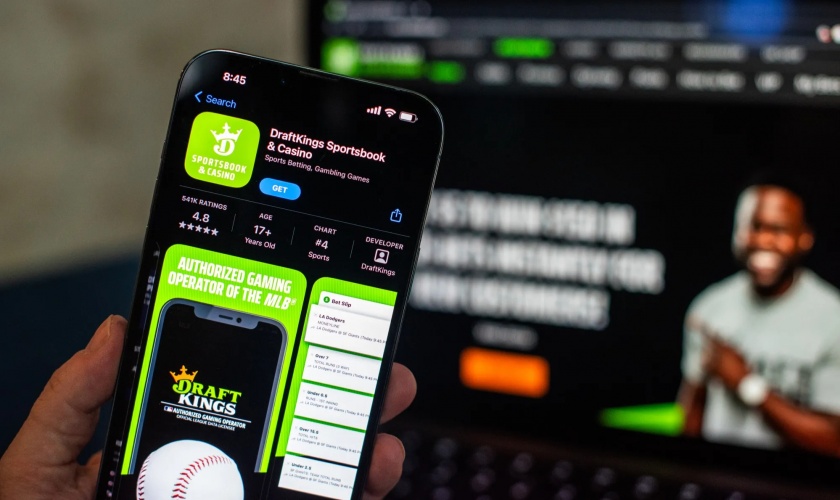
The ruling came from Tanya Walton Pratt, who determined that the NCAA failed to demonstrate that DraftKings’ use of phrases such as “March Madness,” “Final Four,” “Sweet Sixteen,” and “Elite Eight” would cause irreparable harm. These terms are trademarked by the NCAA, which filed its complaint on March 20, alleging trademark infringement and expressing concern that their use by a sports betting platform could imply an endorsement of gambling activities.
The NCAA emphasized in its filing that it actively seeks to avoid any perceived association with sports betting operators. It argued that the presence of these terms in DraftKings’ promotions could mislead users into believing there is an official partnership or approval. However, Judge Pratt found that the organization did not provide sufficient evidence to show that such confusion would result in immediate or irreparable damage.
Despite rejecting the request for a temporary restraining order, the court did not dismiss the case entirely. Judge Pratt noted that the NCAA’s broader claims remain under consideration, including its pursuit of a preliminary or permanent injunction. She stated that with further evidence and discovery, the NCAA may still be able to support its arguments at a later stage in the proceedings.
In response, DraftKings maintained that it has operated within its legal rights for several years, noting that it has used tournament-related terminology in its offerings for more than five years. The company argues that such language is widely recognized and commonly used in sports contexts, particularly during the annual college basketball tournament.
Separately, the NCAA has taken additional steps to reinforce integrity across its competitions. Ahead of this year’s tournament, it implemented the ProhiBet monitoring system developed by Integrity Compliance 360. This tool is designed to track betting activity among game officials in Division I sports, aiming to prevent conflicts of interest and ensure fair play.
The adoption of ProhiBet reflects what the NCAA described as a “critical action” in maintaining the credibility of its events. Currently, the system focuses specifically on referees and officials assigned to championship games, although existing rules already prohibit athletes, coaches, and other league personnel from participating in sports betting.
While the legal dispute with DraftKings continues, the ruling represents an early setback for the NCAA’s attempt to restrict the commercial use of its trademarked tournament terminology.