











Indian Parliament Passes Sweeping Ban on Online Money Games Amid Industry Backlash
Last update: 23 August, 2025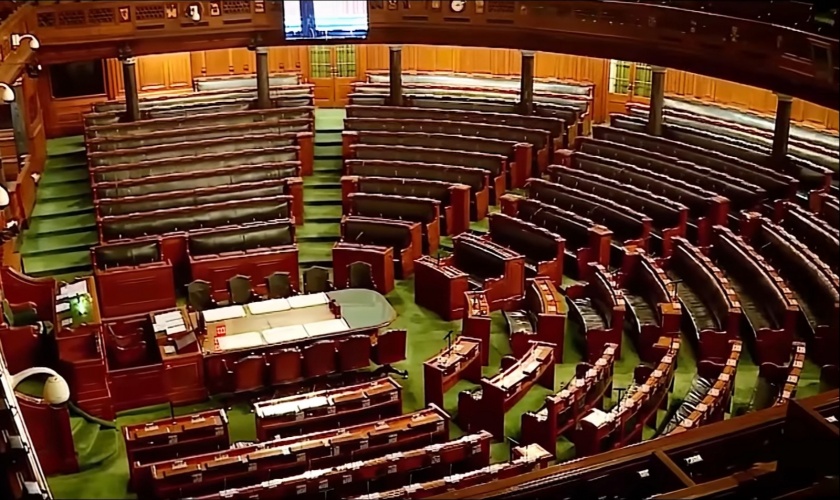
The landmark legislation cleared the Lok Sabha on Wednesday before being passed by the Rajya Sabha on Thursday, despite strong opposition protests.
The new law prohibits the operation, advertisement, and financial facilitation of online money games. Popular formats such as fantasy sports, poker, rummy, and online lotteries will no longer be permitted. In addition, banks, e-wallet providers, and payment gateways have been directed to block transactions linked to these platforms.
Violations will carry steep penalties. Offenders may face up to three years of imprisonment, fines of up to ₹1 crore (approximately US$120,000), or both. The government has defended the measure as a necessary safeguard against financial fraud, addiction, and exploitation. Officials estimate that over 45 crore Indians collectively lose nearly ₹20,000 crore annually on such platforms, with many falling victim to debt and scams.
S. Krishnan, Secretary at the Ministry of Electronics and Information Technology, stressed that the Bill aims to strike a balance between supporting innovation and curbing harmful practices. “Esports, educational games and socially constructive formats will continue to receive government support,” he said, pointing to initiatives such as the Indian Institute of Creative Technologies and the AVGC (Animation, Visual Effects, Gaming, and Comics) Centres of Excellence.
The government argues that the move will help redirect talent and investment toward regulated and constructive areas of gaming. However, industry representatives warn of severe consequences. The online money gaming sector in India is currently valued at around ₹2 lakh crore, generating about ₹31,000 crore in annual revenue and contributing nearly ₹20,000 crore in taxes. Industry bodies caution that the blanket ban could trigger the closure of over 400 companies, wipe out more than 200,000 jobs, and undermine India’s ambitions of becoming a global gaming hub.
Critics also argue that the law may drive players toward unregulated offshore platforms, increasing risks of fraud and reducing tax revenues. Despite these concerns, the government maintains that protecting citizens from financial harm outweighs the industry’s losses.
With the Bill set to become law, India is now entering a new phase in its regulation of digital entertainment—one that sharply distinguishes between constructive play and games of chance involving money.