





No More Betting Ads From Influencers: X Tightens Rules on Gambling Promotions
Last update: 21 February, 2026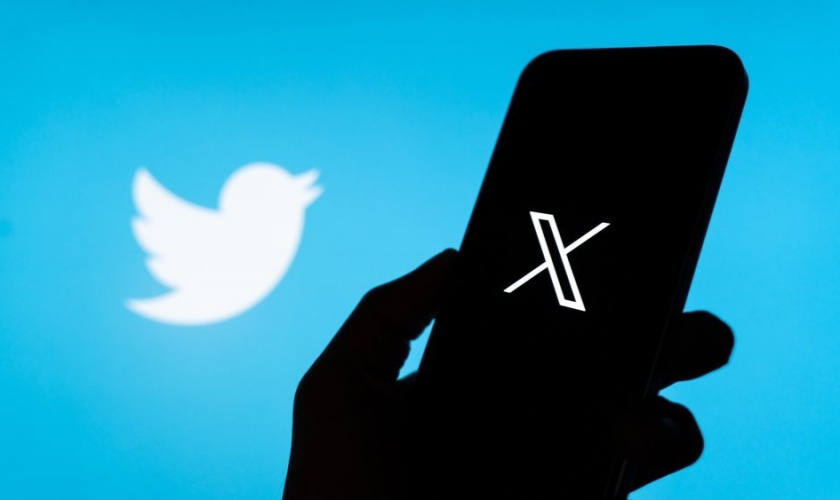
Under the updated guidelines, companies involved in casinos, sports betting, lotteries, and social casino games are no longer allowed to compensate users for promoting their services through branded content.
The revision places gambling and betting activities into X’s “Prohibited Industries” category for paid partnerships. This list also includes sectors such as tobacco, weapons, drugs, alcohol, sexual products, dating services, and weight-loss products. According to the policy, a paid partnership refers to any arrangement in which a third party offers money, gifts, or other incentives in exchange for promotional posts or endorsements on the platform.
Importantly, the change does not amount to a blanket ban on gambling advertising. Betting operators and related companies may still advertise directly on X, but such promotions remain classified as “Restricted Content.” This means advertisers must obtain prior approval before launching campaigns and comply with additional requirements. In practice, gambling brands can continue to buy ad space but can no longer rely on influencers as paid marketing channels to reach audiences.
The move comes amid increasing global scrutiny of influencer-driven gambling promotion. Regulators in several countries have raised concerns about the impact of such marketing, particularly on young audiences and vulnerable users. In Brazil, the Secretariat of Prizes and Betting has signaled plans for stricter oversight of advertising practices, including the possibility of holding influencers accountable for promoting unauthorized operators.
Elsewhere, criticism has emerged in Australia after influencer campaigns allegedly promoted illegal crypto-based gambling services on major digital platforms. At the European level, the European Gaming and Betting Association has introduced continent-wide standards aimed at ensuring responsible influencer marketing within the gambling sector.
Authorities in other regions are also taking action. Kazakhstan has warned both influencers and gambling companies to comply with strict advertising rules, noting that promotion of online casinos and bookmakers has been prohibited there since 2024. In India, the Enforcement Directorate recently launched a money-laundering investigation tied to a prominent YouTuber accused of endorsing illegal betting websites.
X’s policy shift is expected to have a direct impact on content creators who previously partnered with gambling brands, as well as on operators that depended heavily on influencer visibility to attract new customers. The update signals a broader trend among platforms and regulators toward tighter controls on gambling promotion in the digital space, especially when it involves paid endorsements by popular online personalities.