











Republicans Block Democrat-Led Repeal of Gambling Tax Change in Trump’s ‘Big Beautiful Bill’
Last update: 12 July, 2025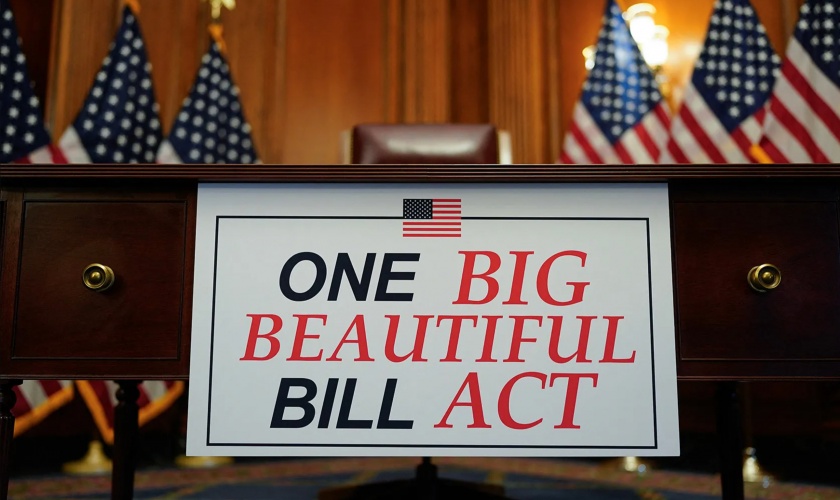
The 900-page legislation, which was signed into law last week, focuses on a broad range of tax and spending measures. Buried within its dense legal text was a change that alters how gambling losses are treated for tax purposes—beginning in 2026, only 90% of reported gambling losses will be deductible, down from the current 100%. This means gamblers, particularly high-stakes professionals, will be liable to pay taxes on a portion of money they technically did not win, potentially wiping out narrow margins or even turning real-life profits into net losses after tax.
The provision appears to have gone largely unnoticed until after the bill passed. “My understanding is many Republicans, many Democrats did not even know it was part of that process,” said Senator Catherine Cortez Masto of Nevada, who has been vocal in her opposition to the rule. She joined Representative Dina Titus in spearheading a failed effort this week to introduce an amendment to roll back the change.
“My Fair Bet Act would rightfully restore the full deduction for losses so gamblers don’t pay taxes on money they haven’t won,” said Titus on July 7, referring to her proposal aimed at countering the newly enacted tax adjustment.
The amendment has been labeled particularly unfair by those within the professional gambling community, who argue that the change punishes legal, skill-based betting and will force many to reconsider their livelihoods. With gamblers now only able to deduct 90% of their losses, they could see a significant chunk of their winnings—already difficult to secure consistently—eroded by taxes.
Despite support from some corners of the Republican Party, Democrats failed to muster enough votes to reverse the provision. All Democrats voted against the original bill, but only three Republican senators broke ranks—far short of what was needed to prevent its passage.
Senator Ron Wyden also voiced frustration at the lack of transparency: “Now I see Republican senators walking all over the Capitol saying they didn’t even know anything about this policy.”
Though the law is not set to take effect until 2026, the fight over its future is far from over. Some Republicans have expressed willingness to support a repeal of the gambling provision but have hinted that any cooperation would require broader concessions from Democrats.
With growing bipartisan awareness of the issue and increasing pressure from affected stakeholders, the provision may return to the spotlight in future legislative battles. For now, however, the new standard for gambling loss deductions remains firmly in place—whether lawmakers fully intended it or not.