







Richard Williams on Stake UK Exit: A Catch-22 Situation
Last update: 14 February, 2025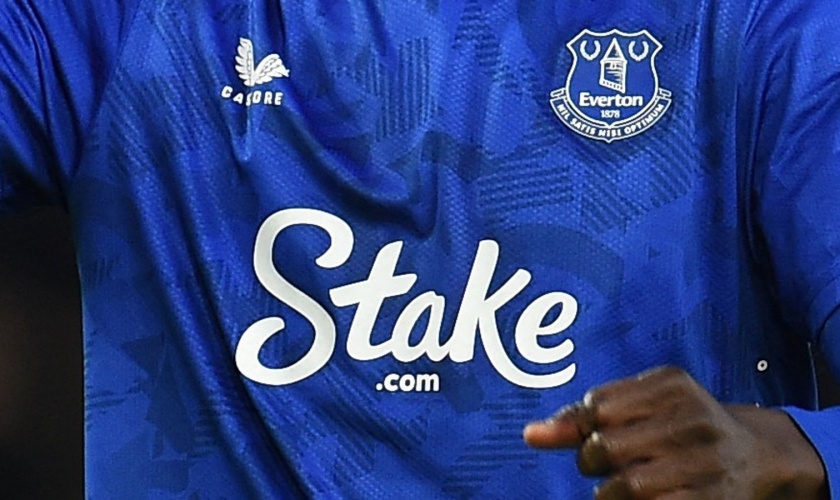
Richard Williams, a gambling law expert at Keystone Law, provided insights into the implications of this ruling, highlighting the challenges it creates for international operators and white-label businesses.
Stake’s Advertising Violations and the Gambling Commission’s Response
Stake had been under scrutiny for weeks due to its undisclosed advertising practices across social media, but a controversial advert featuring adult actress Bonnie Blue outside Nottingham Trent University appeared to be the final tipping point. The advert, which invited students to participate in explicit content, was deemed a clear breach of the UK’s Committee of Advertising Practice (CAP) Code.
“Whether officially sanctioned or not, it’s difficult to know where to start with regulatory concerns about Bonnie Blue’s sponsored advertising of Stake,” Williams told Gambling Insider. “Certainly, it’s linking gambling to seduction and sexual success, which is a breach of the CAP Code.”
The regulator’s crackdown led to the announcement that Stake would cease its UK operations within a month. This move raises broader concerns about white-label businesses that serve as intermediaries for international brands but might ultimately funnel customers toward unregulated platforms.
The Broader Impact on White-Label Operators
Stake had operated in the UK via TGP Europe, a licensed white-label provider that ran Stake.uk.com. However, many UK customers reportedly used VPNs to access Stake’s main international cryptocurrency gambling platform, which is not licensed by the UK Gambling Commission.
Williams emphasized that this regulatory decision could have wider consequences for other operators using similar business models. “The Gambling Commission is clearly cracking down on brands advertising in GB while unlawfully accepting British customers on their .com businesses,” he noted.
A key concern is the potential legal risk for operators who continue to advertise in the UK while primarily serving customers via offshore websites. Under Section 330 of the Gambling Act 2005, advertising an unlicensed gambling platform in Great Britain could be considered a criminal offense.
The Complication of Football Sponsorships
Stake’s sponsorship of Everton Football Club further complicates matters. The company’s branding is prominently displayed on Everton’s shirts and within the stadium, a form of marketing that has historically been justified by the existence of a UK-licensed white-label site. However, with Stake.uk.com now shutting down, the legality of continued brand visibility in the UK comes into question.
Williams explained: “Football sponsorships only work when a licensed white-label version of the brand is available in GB. Once the white label no longer exists, there is a risk that advertising the brand in GB, when it is not licensed to operate by the Gambling Commission, becomes a criminal offense.”
The situation could set a precedent for other clubs that have gambling sponsors operating under a similar framework, potentially leading to more regulatory intervention.
The Catch-22 for International Operators
The dilemma facing international gambling operators, particularly those accepting cryptocurrency, is whether they can legally serve UK customers while remaining compliant with existing regulations. Williams pointed out that unless the Gambling Commission changes its stance on licensing crypto-based operators, brands using digital currency for transactions will have limited options.
“International brands are going to have to improve their procedures to ensure they are not committing offenses by accepting British customers,” he stated. “The other alternative is for the Gambling Commission to allow crypto-focused gambling operators to obtain an operating license in GB, which it has always resisted.”
This reluctance leaves many operators in a bind: either they restrict UK customer access and risk losing significant revenue, or they continue operating in a legal gray area and risk regulatory penalties.
Looking Ahead
Stake’s UK exit underscores the growing pressure on international gambling operators to adhere strictly to UK regulations. The case also serves as a warning to brands relying on white-label arrangements to maintain a presence in the UK market. As the Gambling Commission intensifies its scrutiny, companies will need to reassess their compliance strategies to avoid similar pitfalls.
For now, the gambling industry faces a period of uncertainty, with operators needing to balance regulatory compliance with business sustainability. Whether the UK regulator will revisit its stance on crypto-gambling remains to be seen, but for brands like Stake, the decision marks a significant shift in the UK gambling landscape.