









Betano Brings Flamengo’s “Weight of the Shirt” to Life with Interactive Fan Challenge
Last update: 23 March, 2026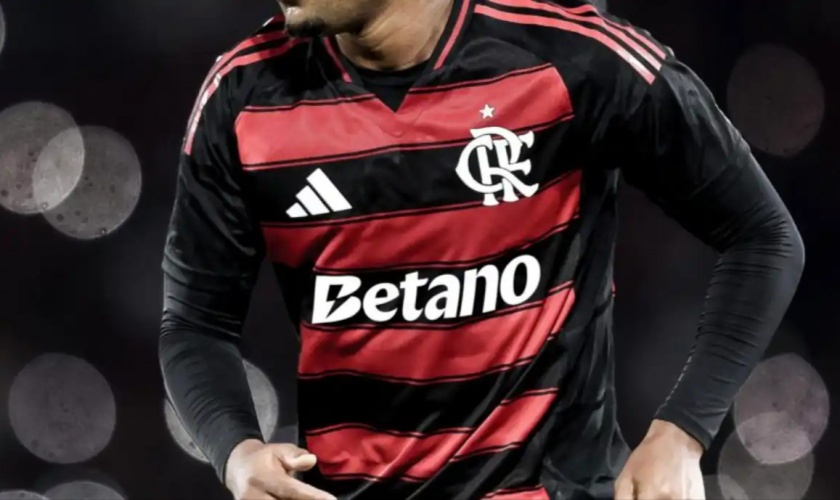
The activation is part of the company’s broader sponsorship strategy in Brazil and aims to deepen the connection between supporters and the club through a creative, hands-on concept.
Titled “The World’s Heaviest Cloak,” the installation features a wooden sculpture weighing more than 100 kilograms. The piece symbolizes the famous idea of the “weight of the shirt,” a phrase often used in football to describe the legacy, pressure, and pride associated with representing a historic club like Flamengo. Positioned inside the club’s official store, the activation invites fans to try lifting the structure at least 10 centimeters off the ground. As an added incentive, the first 20 participants who successfully complete the challenge are rewarded with an official Flamengo shirt for the 2026 season.
According to Betano, the campaign was designed to transform an abstract cultural concept into a tangible and memorable experience. By incorporating gamification elements and a clear reward system, the brand aims to create a moment that fans can both feel physically and share socially. Fabio Ritter, Betano’s Senior Sponsorships Activation Manager, emphasized that the idea was to allow supporters to directly interact with the passion and identity tied to Flamengo.
Flamengo also embraced the initiative as a celebration of its heritage. Marcelo Rocha, the club’s Product and Apparel Manager, highlighted that the activation reflects the pride embedded in Flamengo’s DNA while offering fans a playful and engaging way to connect with the team.
The installation was developed by artist Cainã Gartner, known for his premium sports-themed creations, reinforcing the high-end positioning often associated with major sponsorship campaigns.
This activation comes amid growing uncertainty around betting sponsorships in Brazilian sports, with potential regulatory restrictions under discussion. Despite this, Betano maintains that betting companies remain closely tied to football, describing the sport as central to their business and long-term strategy.